Key points
- Selective beta-1 blockade reduces myocardial oxygen demand and cardiac output.
- Metoprolol is contraindicated in severe bradycardia and heart block.
- Cimetidine and rifampicin are named interactions; other medicines may also interact.
What metoprolol is used for
Metoprolol is used to manage hypertension and angina pectoris. In hypertension, it is used to lower blood pressure. In angina, it eases symptoms caused by reduced blood flow and oxygen delivery to the heart muscle. Both uses relate to the heart’s workload. The medicine’s effect on cardiac beta-1 receptors reduces the demand placed on the heart.
How it works
Metoprolol produces selective beta-1 blockade. Beta-1 receptors are part of the beta-adrenergic system and normally respond to adrenaline, which can raise heart rate and blood pressure. Blocking these receptors makes the heart beat at a lower rate and with reduced force. This reduces myocardial oxygen demand and cardiac output. Onset is 1–2 hours, and the duration is 24 hours. This action is the basis for its use in hypertension and angina. The selective action is the reason it is described as a beta-1 receptor antagonist.
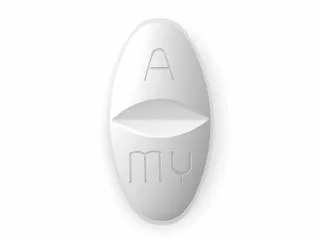
Metoprolol is supplied as the Metoprolol tablet in 25 mg, 50 mg and 100 mg strengths. A prolonged-release tablet form has a release profile that should match what the prescriber has specified. The release characteristics matter because metoprolol products can behave differently in the body depending on their delivery system. The specified release profile should be kept when switching between products. Pharmacy partners in India ship orders to Malaysia in discreet packaging.
Who should not take it
Metoprolol is contraindicated in severe bradycardia and heart block. Caution is needed in diabetes. The dose should be tapered before stopping, and treatment should not be stopped abruptly. In pregnancy, a doctor should be consulted. During breastfeeding, the infant should be monitored.
Side effects and interactions
Fatigue and dizziness are minor side effects. Bradycardia, cold hands and feet, and shortness of breath are moderate side effects. Heart failure exacerbation and bronchospasm are serious effects that require immediate medical attention. Cimetidine and rifampicin interact with metoprolol. Other treatments can also interact, so the product label and trusted clinical references should be checked for contraindications, interactions and reactions. This is especially important when starting a new medicine or taking medicines for other circulatory or systemic conditions.
Further reading