
Contraception
Hormonal contraception helps women choose whether and when to become pregnant. It includes combined oral contraceptives and progestogen-only pills. The two types work in different ways. Family planning medicines are part of routine care.
Medicines used to treat Contraception
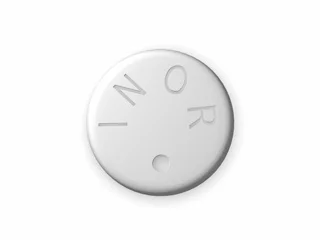
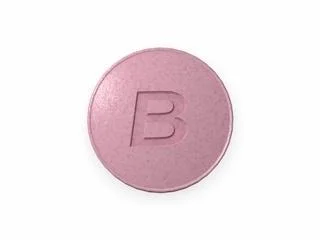
Levlen
Ethinylestradiol, Levonorgestrel
0.03/0.15mg
Levlen is a combined oral contraceptive tablet containing ethinylestradiol and levonorgestrel. Each option lists its price per tablet.
Key points
- The combined pill and the progestogen-only pill are common methods of family planning.
- A progestogen-only pill may suit women who cannot take oestrogen.
- The progestogen chosen can affect tolerability and side-effect profile.
How hormonal contraception works
Combined pills pair ethinylestradiol with a progestogen. Common progestogens include levonorgestrel and desogestrel. Ovulation is suppressed, cervical mucus becomes thicker and the uterine lining thins. Products that contain only a progestogen act through one hormone.
Tablet options
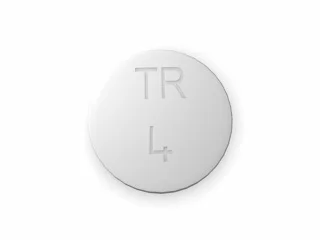
All three are tablets. Plan B contains levonorgestrel 1.5 mg. Levlen contains ethinylestradiol 0.03 mg and levonorgestrel 0.15 mg. Mircette contains desogestrel 0.15 mg and ethinylestradiol 0.02 mg. The active ingredients are levonorgestrel, ethinylestradiol and desogestrel. Orders from pharmacy partners in India are shipped to Malaysia in discreet packaging.
Choosing an option
Levonorgestrel has been used for a long time. Desogestrel and drospirenone are linked with less breakthrough bleeding than levonorgestrel for some women.
When to see a doctor
Prompt medical attention is needed for severe headache, vision changes, chest pain or leg swelling during use of any hormonal method.
Further reading
Last updated