
Ethinylestradiol
Ethinylestradiol is a synthetic form of the hormone oestrogen. In combined oral contraceptives it is always paired with a progestogen, and the two hormones act together. Some combinations are used to prevent pregnancy, while others are used for acne and unwanted hair growth.
Medicines containing Ethinylestradiol
Key points
- Ethinylestradiol is a man-made oestrogen and is not used alone in these products; each one pairs it with a different progestogen.
- The label of one such combination states it is indicated for females of reproductive potential to prevent pregnancy.
- Paired with cyproterone, it is used for acne vulgaris and hirsutism, where lowering androgen production can reduce oiliness and inflamed skin over time.
What it is used for
With a progestogen, ethinylestradiol forms the oestrogen side of pills taken for contraception. Combinations that also contain cyproterone are used for acne vulgaris and hirsutism, where the aim is to reduce androgen-driven oil production and hair growth. The ratio of the two hormones differs between products, and that ratio shapes which use a pill is intended for.
How it works
For contraception, the pair of hormones suppresses ovulation and thickens cervical mucus, making fertilisation less likely. In skin-related use, ethinylestradiol lowers androgen production, and with less androgen signalling, sebum output and inflammation tend to fall. Both effects depend on the combination rather than the oestrogen on its own.
Forms and brands
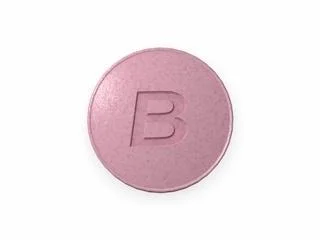
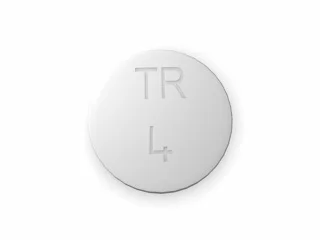
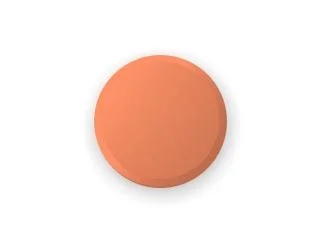
Three combined tablets are available here. Levlen contains ethinylestradiol with levonorgestrel at 0.03/0.15mg, Mircette pairs it with desogestrel at 0.15/0.02mg, and Diane 35 combines it with cyproterone at 2/0.035mg. All are tablets. Choosing between them comes down to the progestogen involved and the hormone ratio. Orders are prepared by pharmacy partners in India and shipped to Malaysia in discreet packaging.
Safety
The product labelling carries a warning about smoking: the risk of serious cardiovascular events rises with age and with the number of cigarettes smoked, and these products are contraindicated in women over 35 who smoke. They are also unsuitable for anyone whose history includes blood clots or cardiovascular conditions that oestrogen can worsen. Early effects can include nausea, breast tenderness and mood changes, which often settle as the body adjusts. Some antibiotics and seizure treatments change how the hormone is handled, so check any other medicine against the product labelling.
What the sources say
- Pills that combine an oestrogen with a progestogen raise the chance of blood clots, including deep vein thrombosis and pulmonary embolism; the estimated rate among females using them is 3 to 9 cases per 10,000 woman years. (DailyMed)
- Obesity and a family history of venous thromboembolism are among the risk factors for these clots, and rates are higher during pregnancy and especially after birth. (DailyMed)
- Ethinylestradiol is taken up quickly and almost completely from the gut, but first-pass metabolism in the gut wall and liver leaves systemic bioavailability at about 43%. (DailyMed)
Further reading
Last updated